
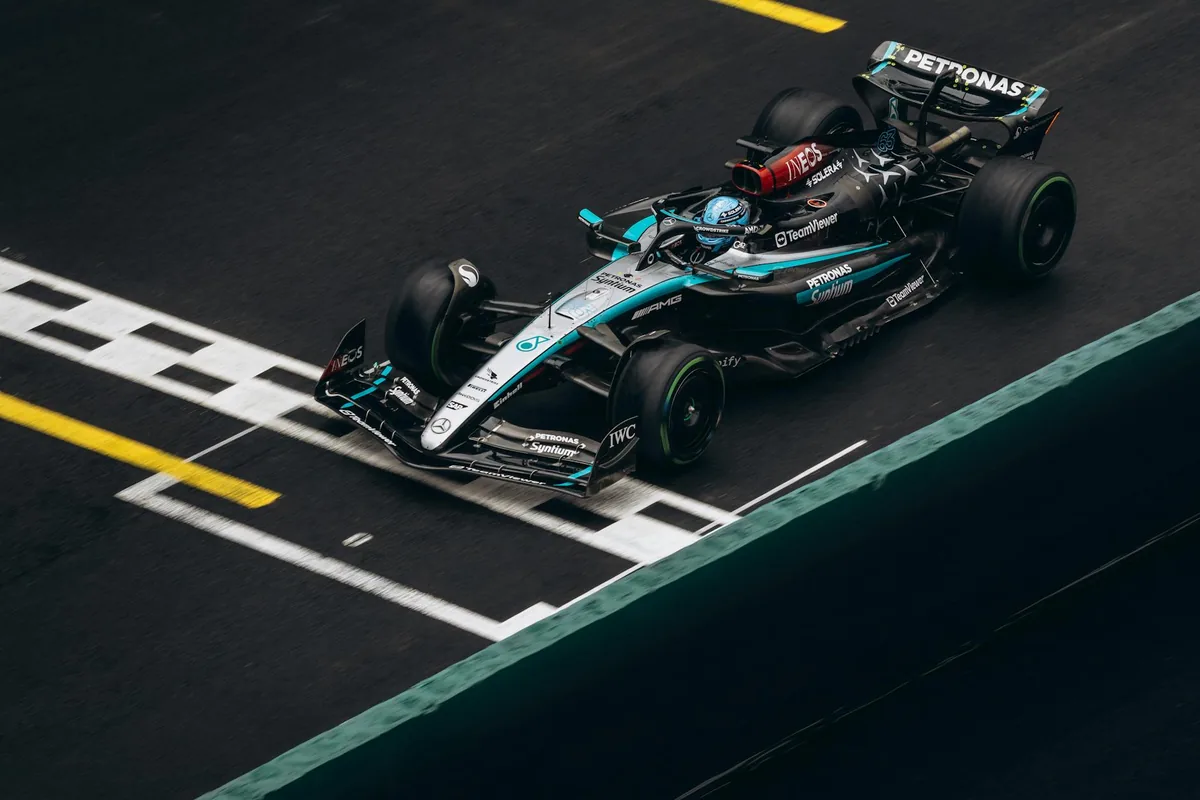
Hamilton vs Schumacher: Statistical Comparison of Two Legends
The debate over the greatest Formula 1 driver of all time invariably narrows to two titans: Lewis Hamilton and Michael Schumacher. With seven world championships each, they stand atop the sport's pantheon, their careers defining entire eras of F1. While both share the ultimate accolade, their paths, styles, and statistical legacies offer a fascinating study in contrasts and parallels. This detailed analysis delves into the numbers, eras, and defining characteristics that separate and unite these two legends.
The Championship Pedigree: Seven Titles Each
At the core of their legacies is the magic number: seven. Michael Schumacher secured his titles across two distinct phases: five consecutive championships with Ferrari (2000-2004) and two earlier with Benetton (1994, 1995). His era was marked by sheer dominance, particularly during the early 2000s when Ferrari was virtually untouchable. Lewis Hamilton’s seven titles, detailed in our timeline of Every Championship Win, were achieved with Mercedes (2014, 2015, 2017, 2018, 2019, 2020) and his historic first with McLaren in 2008. Hamilton’s success has been characterized by sustained excellence over a longer period of competitive parity, often battling fierce teammate and inter-team rivalries.
Race Wins, Poles, and Podiums: The Raw Numbers
In the purest statistical categories, Hamilton has surpassed Schumacher's once-untouchable records, a testament to his longevity and the expanded modern calendar.
Grand Prix Victories
- Lewis Hamilton: 103+ wins (and counting). This is the all-time record, with his century of victories being a landmark moment analyzed in 103 and Counting: Analysis of Hamilton's All-Time Win Record.
- Michael Schumacher: 91 wins. A record that stood for over a decade, symbolizing his relentless winning mentality.
Pole Positions
- Lewis Hamilton: 104+ poles. Hamilton’s qualifying prowess is arguably his greatest single skill, earning him the title "Pole King." Explore the data in our Pole King statistical analysis.
- Michael Schumacher: 68 poles. While fewer, Schumacher’s poles were often achieved in eras with tighter competition and more variable qualifying formats.
Podium Finishes
- Lewis Hamilton: 190+ podiums. An astonishing rate of consistency, placing him far ahead of any other driver.
- Michael Schumacher: 155 podiums. A remarkable tally that underscored his ability to finish at the sharp end throughout his career.
Eras, Teams, and Dominance
Context is crucial when comparing statistics across different generations. Schumacher’s career (1991-2006, 2010-2012) spanned an era with fewer races per season, more mechanical retirements, and arguably more aggressive driving standards. His legacy is deeply tied to rebuilding Ferrari into a dynasty, a feat of sporting and technical leadership. For a deeper look at Hamilton's team evolution, read our Team Comparison: McLaren vs Mercedes.
Hamilton’s career (2007-present) has coincided with an unprecedented period of reliability, longer seasons (over 20 races since 2010), and hybrid engine technology. His move to Mercedes in 2013 was a masterstroke, aligning him with a team that would master the new hybrid regulations. This period of Mercedes Dominance allowed him to accumulate records at a breathtaking pace, though often against formidable teammates like Nico Rosberg.
Defining Rivalries and Controversies
Both legends were shaped by intense, season-long rivalries. Schumacher’s battles with Mika Häkkinen in the late 90s and early 2000s are iconic, as were his fierce duels with Damon Hill and Jacques Villeneuve. His career was not without controversy, including infamous incidents in 1994 and 1997.
Hamilton’s career is a tapestry of rivalries: the explosive intra-team conflict with Fernando Alonso during his McLaren Years, the dramatic 2008 fight with Felipe Massa, the tense Mercedes partnership with Nico Rosberg, and the multi-year strategic battles with Sebastian Vettel. The pinnacle was arguably the 2021 duel with Max Verstappen, a season of incredible intensity that concluded in a controversial finale.
Legacy Beyond the Statistics
While statistics frame the debate, their broader impact on the sport is equally significant. Schumacher revolutionized physical training, technical feedback, and team dedication, setting a new professional standard. Hamilton’s influence extends beyond the track; he has become a global icon and a powerful voice for diversity, sustainability, and social change within F1 and beyond. His future, including the ongoing pursuit of an eighth title, remains a central narrative, as explored in What's Next? Hamilton's Future Plans.
Key Statistical Comparison Table
| Category | Lewis Hamilton | Michael Schumacher |
|---|---|---|
| World Championships | 7 | 7 |
| Grand Prix Wins | 103+ | 91 |
| Pole Positions | 104+ | 68 |
| Podium Finishes | 190+ | 155 |
| Fastest Laps | 65+ | 77 |
| Career Points* | 4600+ | 1566 |
*Point scoring systems changed dramatically, making direct comparison less meaningful. Hamilton competes in a high-points, high-reliability era.
Conclusion: Different Eras, Equal Greatness
Declaring a definitive "winner" in the Hamilton vs Schumacher debate is ultimately a subjective exercise. Schumacher was the relentless pioneer who redefined dedication and delivered a historic dynasty for Ferrari. Hamilton is the statistically supreme force of the modern era, a record-shattering driver whose influence transcends the sport. Their shared seven titles symbolize the apex of achievement, but their unique journeys—from Schumacher's rise with Benetton to Hamilton's journey from Karting to F1—are what truly cement their status as the two most successful and impactful drivers in Formula 1 history. For further statistical deep dives, explore our comparison of Hamilton vs Senna & Prost.
To explore the official records and historical context in greater detail, visit the official Formula 1 website and the StatsF1 database for comprehensive historical data.