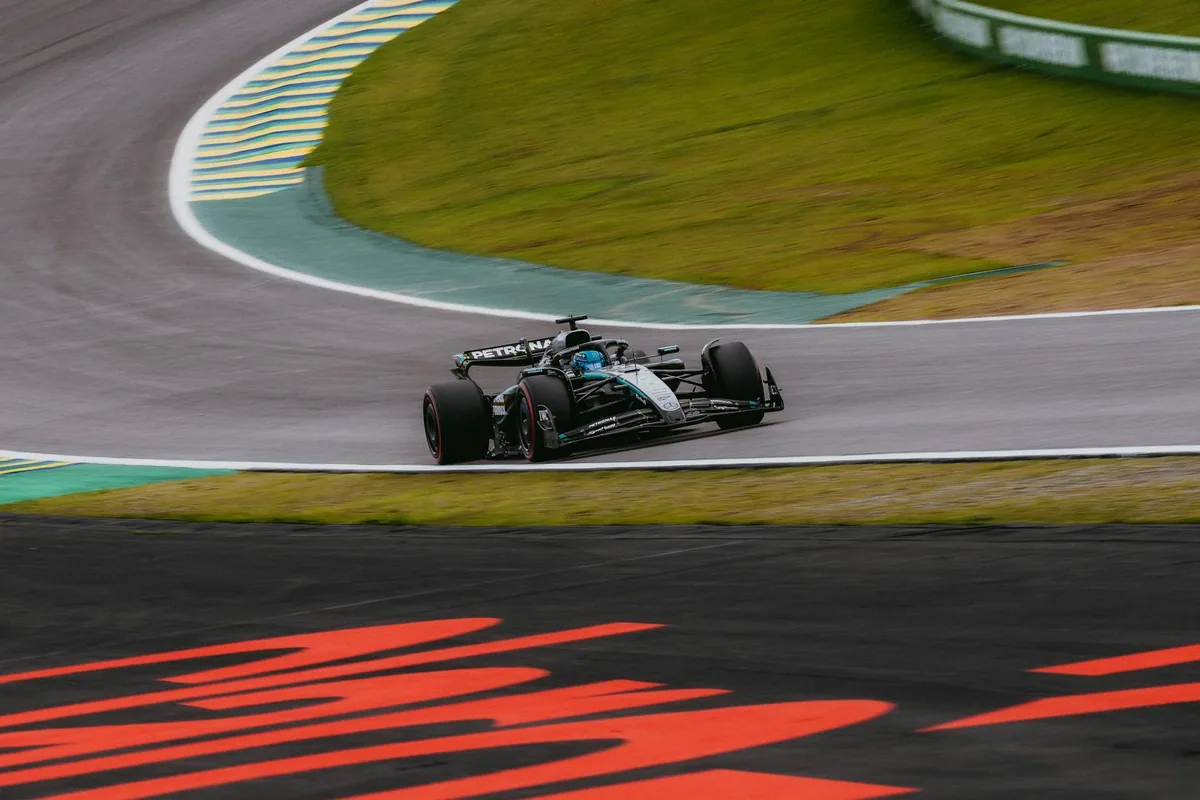
100th Win Milestone: Historical Significance and Analysis
Lewis Hamilton’s 100th Formula 1 victory at the 2021 Russian Grand Prix stands as a monumental achievement, a statistical peak that redefines the parameters of success in the sport. Reaching triple-digit wins was once considered an almost mythical feat, a record belonging to Michael Schumacher that seemed untouchable for a generation. Hamilton’s relentless pursuit and eventual capture of this milestone is not merely a number; it is a testament to an unprecedented combination of raw talent, technical synergy, and sustained excellence across multiple eras of F1. This analysis delves into the historical context, the journey to 100, and what this landmark means for Hamilton’s legacy.
The Statistical Everest: Context and Rarity
To appreciate the scale of 100 wins, one must consider the landscape of Formula 1 history. Before Hamilton, only Michael Schumacher (91 wins) had even approached the century mark. The next closest active driver at the time of Hamilton's 100th was Sebastian Vettel with 53 victories. Achieving 100 wins requires a dominant car, certainly, but also an extraordinary level of consistency, racecraft, and longevity that very few possess. It represents winning roughly one-third of all Grands Prix entered over a 15-year career, a strike rate that filters out flashes of brilliance and demands sustained, era-defining dominance.
Hamilton’s journey began with his first win at the 2007 Canadian Grand Prix, a stunning debut season statement. The path to 100 was paved with defining chapters: his first championship in 2008, the transitional years at McLaren, and then the era of supremacy with Mercedes. This period of Mercedes dominance from 2013 onward provided the platform, but it was Hamilton who consistently maximized its potential, turning dominant cars into victory machines and competitive ones into race-winning opportunities.
The Road to 100: Key Phases and Defining Wins
The century was not accumulated evenly but in waves that corresponded with his competitive machinery and personal evolution as a driver.
The McLaren Foundation (2007-2012): 21 Wins
Hamilton’s early career at McLaren established him as a generational talent. He secured 21 victories, including his maiden win and the crucial 2008 title-clinching drive in Brazil. This phase was characterized by audacious overtakes and raw speed, battling against icons like Fernando Alonso and Felipe Massa. It laid the groundwork, proving he could win races and a championship with a top team, as detailed in our analysis of his McLaren years from 2007-2012.
The Mercedes Meteoric Rise (2013-2016): 33 Wins
Hamilton’s controversial move to Mercedes in 2013 culminated in a new dynasty. His first Mercedes victory in Hungary 2013 signaled what was to come. The hybrid era beginning in 2014 unleashed the most dominant car in F1 history, the W05, and Hamilton was its perfect pilot. He secured back-to-back titles in 2014 and 2015, engaging in a fierce internal rivalry with Nico Rosberg. This period saw him add 33 wins at a staggering rate, including a run of 10 wins in 2014 alone.
Peak Dominance and Record Chasing (2017-2021): 46 Wins
From 2017 onward, Hamilton entered his most consistent and mature phase. Even as Ferrari and later Red Bull presented stronger challenges, his ability to deliver under pressure became his hallmark. He engaged in epic championship battles with Sebastian Vettel, showcasing strategic mastery. The 2020 season, particularly in the dominant Mercedes W11, saw him equal and then surpass Schumacher’s win record. The pursuit of the 100th win became a narrative of its own, finally achieved in Sochi in 2021 amidst a titanic championship fight with Max Verstappen.
Analysis of the Achievement: Beyond the Number
The 100th win is a data point that unlocks deeper analysis of Hamilton’s career. It underscores several key attributes that separate good drivers from all-time greats.
Sustained Excellence and Adaptability
Hamilton’s wins span three distinct technical eras of Formula 1 (normally aspirated V8, early hybrid, and complex aerodynamic eras), multiple tire compound changes, and significant regulation shifts. His ability to adapt his style—from the aggressive overtaker of 2007 to the strategic tire manager of 2020—is central to his longevity. This adaptability is further explored in our analysis of his tire management expertise.
Clutch Performance Under Pressure
A significant portion of Hamilton’s wins came in direct championship contention seasons. Unlike wins accumulated in a non-competitive environment, many of his victories were high-stakes affairs that decided titles. His performances in critical races, such as the 2020 Turkish GP to clinch his seventh title, demonstrate a unique ability to deliver maximum performance when it matters most.
Technical Partnership and Team Symbiosis
The 100 wins are a team achievement as much as a driver’s. Hamilton’s deep technical understanding and feedback were instrumental in the development of dominant Mercedes cars. His long-standing partnership with race engineer Peter "Bono" Bonnington and the Mercedes strategy team created a unit that consistently converted pole positions and strong race pace into victories. According to the official Formula 1 records page, Hamilton's win total is a record that highlights this sustained team-driver synergy.
Legacy and Future Implications
Reaching 100 wins cements Hamilton’s statistical argument as one of the greatest, if not the greatest, driver in Formula 1 history. It sits alongside his seven world championships, record pole positions, and numerous other records. However, its significance extends beyond the tally. It represents a benchmark that may stand for decades, reshaping how future success is measured.
The milestone also arrived at a pivotal career moment, during the intense 2021 championship battle. It served as a reminder of his enduring class even as a new generation challenged his throne. As Hamilton prepares for a new chapter with Ferrari in 2025, detailed in our Ferrari move analysis, the 100-win mark stands as the crowning statistical achievement of his Mercedes era. Whether he adds to this total with the Scuderia remains one of the most intriguing questions in the sport. For further historical context on record-breaking careers in motorsport, authoritative resources like the Motorsport Magazine database offer extensive archives and statistics.
Ultimately, Lewis Hamilton’s 100th win is more than a number—it is a narrative of relentless ambition, perfected partnership, and a career spent operating at the very limit of what is possible in Formula 1.