The 2016 Championship: A Season of Unprecedented Tension
The 2016 Formula 1 World Championship stands as one of the most intense, dramatic, and psychologically charged title fights in the sport's modern history. It was the culmination of a three-year intra-team war at Mercedes between Lewis Hamilton and Nico Rosberg, a rivalry that evolved from childhood karting competitors to dominant teammates battling for the ultimate prize. Unlike the relative dominance Hamilton enjoyed in 2014 and 2015, the 2016 campaign was a relentless, error-strewn, and emotionally draining battle where the smallest margin decided the title.
The Stage is Set: Rosberg's Early Dominance
The season began with a statement of intent from Nico Rosberg. Carrying momentum from his three victories at the end of 2015, he won the first four races of 2016 in Australia, Bahrain, China, and Russia. Hamilton, meanwhile, was plagued by poor starts and technical misfortune. A slow start in Melbourne, a first-lap collision in Bahrain, and an engine failure in qualifying in China put him on the back foot. After just four rounds, Rosberg held a commanding 43-point lead, the largest deficit Hamilton had ever faced in the hybrid era.
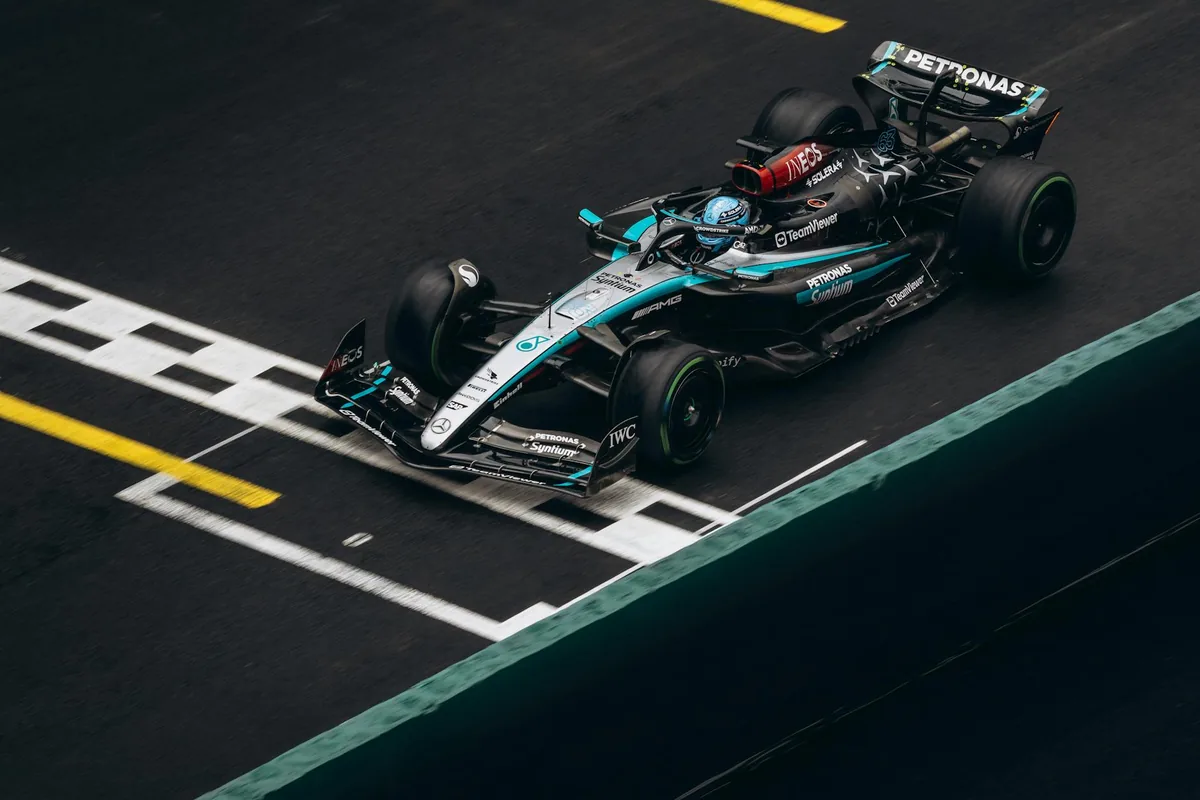
This early phase highlighted a critical aspect of the season: reliability. While the Mercedes W07 Hybrid was phenomenally fast, it was not bulletproof. Hamilton suffered multiple power unit component failures, forcing him to take grid penalties later in the year. This mechanical chess game added a layer of strategic complexity beyond the on-track duels, putting immense pressure on both drivers and the team's management.
Hamilton's Fightback and Mounting Controversy
Hamilton's championship fightback began in earnest at the Spanish Grand Prix, but in the most disastrous way possible. After a strong start, the two Mercedes drivers collided on the first lap, taking each other out of the race. This incident, a flashpoint in their already strained relationship, forced the team to impose stricter racing protocols. Hamilton then embarked on a stunning run of form, winning six of the next seven races. Victories in Monaco, Canada, Austria, Britain, Hungary, and Germany saw him erase Rosberg's lead and take control of the championship by the summer break.
However, the rivalry reached its boiling point in Austria. On the final lap, with Hamilton attempting a pass for the lead, Rosberg defended aggressively, resulting in contact. Hamilton won, but Rosberg was demoted to fourth after a post-race penalty. The public finger-pointing and frosty podium ceremony laid bare the fractious nature of their partnership. The psychological warfare, a hallmark of their teammate rivalry, was in full effect, with mind games playing out in the media and subtle digs in press conferences.
The Crucial Swing: Asia and Mechanical Woes
The Asian leg of the championship proved decisive. Hamilton won in Singapore, but a spark plug failure in Malaysia while leading comfortably was a catastrophic blow. He retired from the race, while Rosberg recovered from an early incident to finish third. The 28-point swing was a hammer blow to Hamilton's campaign. To compound his misery, Hamilton incurred multiple grid penalties for engine component changes in Belgium, Italy, and later races, often forcing him to fight through the field from the back or midfield.
Rosberg, demonstrating a newfound consistency and mental fortitude, capitalized. He adopted a clear "play the percentages" strategy, often settling for second place behind a charging Hamilton to protect his points lead. This pragmatic approach was in stark contrast to Hamilton's all-or-nothing driving style when coming from behind. The battle was no longer just about raw speed; it was about strategic points accumulation, reliability management, and nerve.
The Abu Dhabi Finale: A Last Stand
Arriving at the Yas Marina Circuit for the season finale, Rosberg held a 12-point lead. He only needed to finish on the podium to secure his first world title, regardless of where Hamilton finished. Hamilton, knowing only victory would give him a chance, controlled the race from pole. In a desperate, controversial attempt to back Rosberg into the chasing pack of Sebastian Vettel and Max Verstappen, Hamilton ignored repeated team orders to increase his pace.
For the final laps, the world watched a high-speed game of chicken, with Hamilton slowing dramatically in the lead. Rosberg, cool under extreme pressure, held his position, fending off attacks to cross the line in second place. He was the 2016 World Champion by a mere five points—the closest margin since 2014. The tension was palpable, and the post-race celebrations were awkward, highlighting the deep personal and professional rift the season had created. This tense strategic showdown was a precursor to even greater finale drama years later, as seen in the 2021 Abu Dhabi finale.
Analysis of a Championship Lost and Won
The 2016 season was ultimately decided by a combination of factors that extended beyond pure driving talent.
Reliability and Luck
Hamilton's engine failure in Malaysia and his spate of grid penalties were the single largest statistical factors in the title outcome. In a season so tightly contested, losing a near-certain 25 points was a deficit too large to overcome. Rosberg, while also suffering some issues, enjoyed markedly better reliability at critical moments.
Mental Fortitude and Strategy
Rosberg's approach evolved significantly. After being beaten in previous years, he focused on consistency, minimizing errors, and maximizing points—a lesson in championship management. Hamilton, though arguably the faster driver over the season, was sometimes let down by his starts early on and was forced into riskier strategies due to his points deficit and grid penalties.
The Team Dynamic
Mercedes faced an unenviable task managing two fiercely competitive drivers in equal equipment. The collision in Spain and the radio controversy in Abu Dhabi exposed the limits of team control. The internal strain contributed to Rosberg's shocking decision to retire from Formula 1 just days after winning the title, a move that reshuffled the grid for 2017.
Legacy of the 2016 Season
The 2016 championship remains a defining chapter in Lewis Hamilton's career. It was a stark lesson in how factors beyond sheer pace can determine a title. The intensity of the battle forged a resilience that would serve him well in future fights against Sebastian Vettel and Max Verstappen. For Nico Rosberg, it was the perfect culmination of a lifelong dream and a meticulously executed plan, proving that he could beat his generational rival under the highest pressure. The season is extensively analyzed by experts, such as in this detailed F1.com analysis of the key moments.
The Hamilton-Rosberg rivalry at Mercedes set a benchmark for intra-team conflict in the modern era. It provided relentless drama, showcasing the psychological depth of Formula 1. While Hamilton would immediately return to dominant form in the following years, beginning with his 2018 second-half surge, the 2016 season endures as a testament to the fine margins between glory and defeat in world championship motorsport. For further reading on the statistical nuances of this fierce rivalry, visit the StatsF1 comparison tool.