2020 Championship: Record-Equaling Seventh Title
The 2020 Formula 1 World Championship was a season like no other, defined by a global pandemic, a radically revised calendar, and the relentless pursuit of history. For Lewis Hamilton, it culminated in a moment of profound sporting immortality: equaling Michael Schumacher’s record of seven World Drivers’ Championships. This achievement, secured with three races to spare at a rain-soaked Istanbul Park, was not merely a statistical milestone but a testament to Hamilton’s supreme skill, adaptability, and the near-flawless operation of the Mercedes-AMG Petronas team during unprecedented times.
A Season of Unprecedented Challenge
The 2020 season was thrown into chaos before a wheel had turned. The COVID-19 pandemic forced the cancellation and postponement of races, leading to a compressed 17-race calendar that began in July. Tracks like the Nürburgring, Imola, and Portimão made unexpected returns, while new venues like Mugello were added. This demanded immense flexibility from drivers and teams. Mercedes, however, arrived with a weapon that would dominate the year: the W11. Often described as Hamilton’s most dominant car, its performance advantage, particularly in qualifying, was staggering.
Hamilton’s campaign began with a statement. After a subdued fourth place in the chaotic season opener in Austria, he reeled off four consecutive victories. His mastery was multifaceted, combining blistering one-lap pace—he took 10 pole positions—with racecraft that had evolved to a new level of strategic intelligence. This period solidified his lead in a championship where his primary rival, as in previous years, was his teammate Valtteri Bottas.
The March to History: Key Victories and Moments
While the Mercedes was dominant, Hamilton’s 2020 season was punctuated by drives that showcased his complete arsenal. The British Grand Prix at Silverstone, a circuit where he has shown repeated home Grand Prix mastery, became a dramatic test of endurance. On the final lap, with a substantial lead, his front-left tire delaminated. He nursed the car home on three wheels to win, a victory that combined immense pace with critical race management under extreme pressure.
Another landmark came at the Eifel Grand Prix at the Nürburgring, where his victory marked a record-equaling 91st career win, drawing him level with Michael Schumacher’s once-seemingly untouchable tally. The emotional weight of the moment was palpable, with Schumacher’s son Mick presenting Hamilton with one of his father’s helmets. This victory was a prelude to the main event: the championship decider.
The Turkish Grand Prix Masterclass
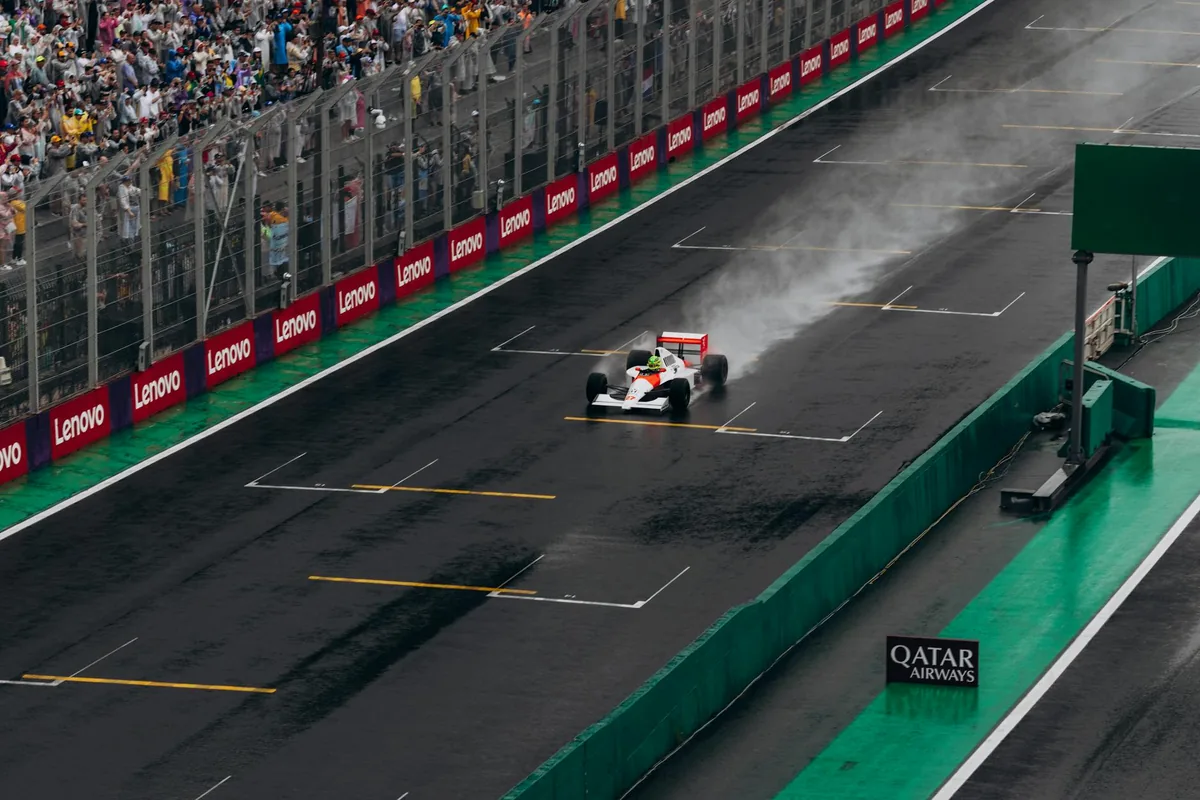
The championship was clinched in one of Hamilton’s greatest ever drives. At a newly resurfaced, treacherously slippery Istanbul Park, he qualified a disappointing sixth while Bottas took pole. In wet-dry conditions, the race became a test of tire management expertise and pure feel. While others struggled, Hamilton, on a long stint on intermediate tires, was in a league of his own. He scythed through the field, displaying otherworldly car control on a drying track, and took a commanding victory. Finishing over 30 seconds ahead of second place, he sealed his seventh world title. This title-clinching masterclass was a perfect encapsulation of his genius in challenging conditions.
Statistical Dominance and Legacy
The numbers from Hamilton’s 2020 season are a testament to his and Mercedes’ supremacy. He won 11 of the 16 races he started, achieved 14 podiums, and led over 65% of the laps he completed. His points total of 347 was 124 clear of Bottas. This dominance continued a period of success that began with his dominant return to the top in 2014 and included sustained excellence through fierce battles with Ferrari and Sebastian Vettel, such as the intense 2017 challenge.
Equaling Schumacher’s record placed Hamilton firmly at the pinnacle of the sport’s statistical hierarchy. It sparked global conversations about his place among the all-time greats, inviting comparisons in every metric. For a detailed look at how the two legends stack up, see our statistical comparison of Hamilton and Schumacher.
Overcoming Adversity On and Off the Track
The 2020 championship was significant beyond the statistics. Hamilton used his platform with unprecedented force, becoming a leading voice in the global movement for racial justice and equality. He established the Hamilton Commission to improve diversity in UK motorsport and took a knee at every grand prix. This activism added a profound social dimension to his sporting achievement, reshaping his legacy and the culture of Formula 1 itself. His efforts in promoting diversity and inclusion have become a cornerstone of his identity beyond racing.
Furthermore, navigating the pandemic-affected season required immense mental fortitude. The "biosphere" restrictions, constant testing, and uncertainty demanded a new level of professional discipline, which Hamilton and his team managed flawlessly.
The Final Step: A Record-Breaking Campaign
While equaling the record in Turkey was the climax, Hamilton’s 2020 season did not stop there. He continued to win, setting the stage for the following year where he would aim to break the record outright. The 2020 campaign was the definitive proof of a driver and team operating at their historic peak under the most trying circumstances. It solidified the Mercedes era as one of the sport's most dominant and set the scene for the intense drama that would follow in the controversial 2021 finale.
For official race results, driver standings, and historical data from the 2020 season, the official Formula 1 website provides a comprehensive archive. Additionally, detailed technical analyses of the cars from this era can be found through authoritative sources like Autosport.