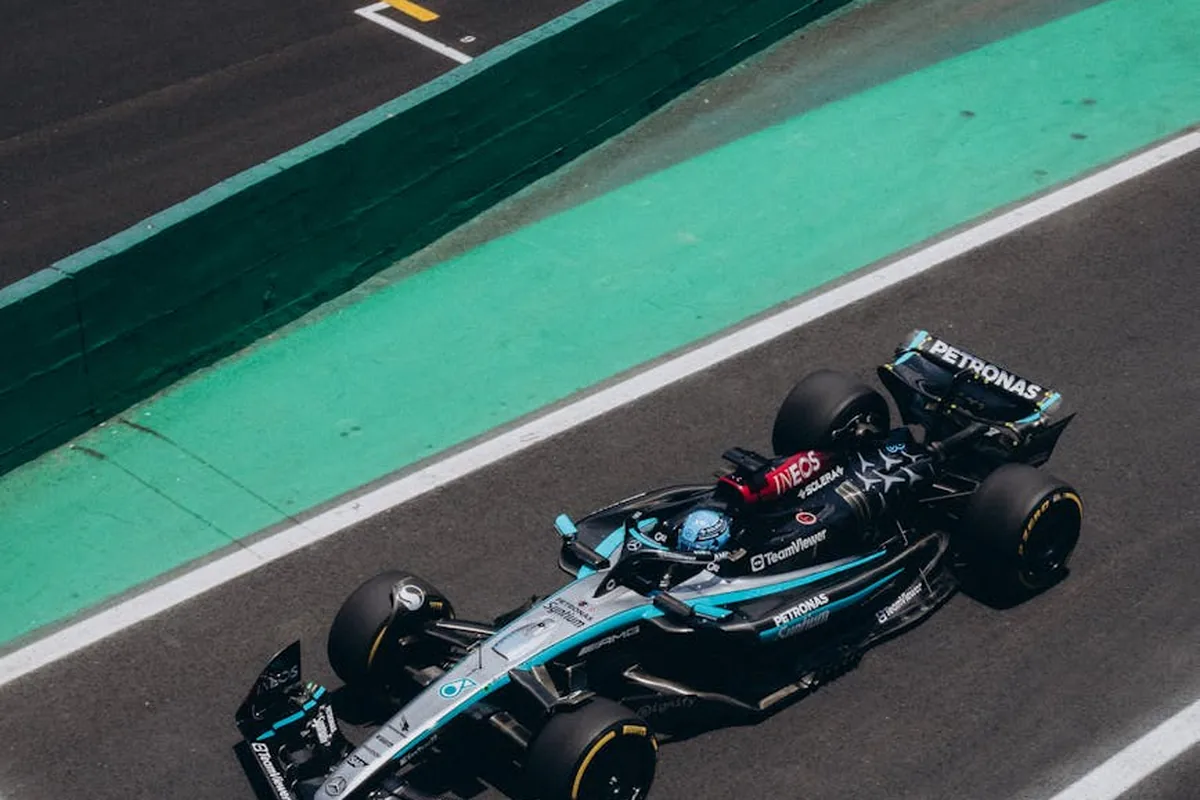
Environmental Activism: Hamilton's Sustainability Efforts in F1
Lewis Hamilton's legacy extends far beyond his seven world championships and record-breaking statistics. In recent years, he has emerged as one of Formula 1's most prominent and vocal advocates for environmental sustainability and social change. His activism represents a significant shift for a driver operating within a sport historically associated with high carbon emissions and global travel, positioning him as a catalyst for introspection and progress within the pinnacle of motorsport.
The Genesis of a Green Conscience
Hamilton's public journey into environmentalism gained substantial momentum around 2019, coinciding with a period of personal reflection and his dominance in the sport. Witnessing documentaries on climate change and the accelerating global ecological crisis prompted a profound realization about the impact of his own lifestyle and that of his profession. He openly discussed the cognitive dissonance of being a world-class athlete contributing to a significant carbon footprint, a confession that resonated widely. This awakening wasn't a sudden marketing pivot but an evolution, building upon his long-standing work in diversity and inclusion advocacy. He began to see social justice and environmental justice as interconnected battles.
Leading by Example: Personal and Professional Changes
Hamilton didn't just speak; he acted. He made substantial changes to his personal life, adopting a plant-based diet, selling his private jet, and investing in electric vehicles. Within the F1 paddock, he used his platform to challenge the status quo. He questioned the sport's reliance on single-use plastics, the carbon cost of its global calendar, and the environmental message it projected. His criticism was constructive, aimed at pushing the FIA, Formula 1, and his own team, Mercedes, toward more sustainable practices. This period of personal change occurred even as he was engaged in intense competition, such as the 2021 championship battle with Max Verstappen, proving his commitment was not contingent on his racing circumstances.
Project 44 and Beyond: Institutionalizing Impact
To channel his efforts systematically, Hamilton leveraged his own brand and resources. Through his initiative, Project 44 (named after his racing number), he has invested in and supported numerous sustainable ventures. This includes backing companies focused on plant-based foods, sustainable fashion, and clean technology. His collaboration with Mercedes-Benz to develop the electric Mercedes-AMG Project ONE hypercar, while a performance machine, also symbolized a bridge between high-performance engineering and alternative powertrains. Furthermore, his foray into the fashion and music industries has been consciously aligned with eco-friendly principles, promoting sustainable materials and ethical production.
Influencing the Sport from Within
Hamilton's influence has been tangible in shaping F1's environmental roadmap. His persistent advocacy added a powerful driver's voice to the internal push for sustainability. Formula 1's ambitious plan to become Net Zero Carbon by 2030, involving sustainable fuels, optimized logistics, and carbon-offsetting initiatives, has been developed in an era where Hamilton's voice was prominent. He has consistently urged for faster progress, highlighting areas like the number of races and travel logistics. His move to Ferrari for the 2025 season presents a new platform to potentially influence another historic team's sustainability approach from within.
The Complexities and Criticisms of an F1 Environmentalist
Hamilton's stance has not been without controversy or complexity. Critics point to the inherent contradiction of promoting sustainability while competing in a global circus that flies hundreds of tons of equipment around the world. He has acknowledged this hypocrisy, often calling himself a "work in progress" and emphasizing that systemic change in F1 is the ultimate goal. The challenge lies in transforming a sport built on fossil fuels. The development of advanced sustainable fuels for the 2026 power unit regulations is a key technological battleground where Hamilton's input as a driver could be valuable. His technical feedback, honed during eras like the Mercedes dominance from 2013, gives his opinions on the sport's direction added weight with engineers and regulators.
A Legacy Beyond the Podium
Hamilton's environmental activism is fundamentally reshaping how his legacy is perceived. He is transitioning from being seen solely as a racing legend to a transformative figure who used his unprecedented success as a megaphone for planetary concerns. This aligns with his broader social justice work, creating a holistic picture of a driver conscious of his impact off the track. It has inspired a segment of the fanbase and pressured sponsors and partners to consider their environmental, social, and governance (ESG) policies. As detailed in analyses of his knighthood recognition, his honors reflect not just sporting achievement but also his service to diversity and environmental causes.
The Road Ahead: Sustainability as the Ultimate Challenge
As Hamilton enters the latter stages of his career, his environmental mission appears to be a defining pillar of his post-racing life. The question is no longer whether F1 should be sustainable, but how quickly and effectively it can achieve its goals. Hamilton's role will likely evolve from critic and campaigner to potential ambassador and investor in the green technologies that could power motorsport's future. The success of F1's sustainable fuel program, for instance, could have ripple effects across the transportation sector. Organizations like the United Nations Climate Change highlight the global scale of the issue Hamilton is tackling.
Ultimately, Lewis Hamilton has leveraged his platform to force a necessary and uncomfortable conversation in a high-octane, tradition-bound sport. By intertwining his narrative of success with one of responsibility, he has challenged the very ecosystem that made him famous. Whether pushing for diversity or championing sustainability, his career demonstrates that true greatness is measured not only by wins and poles, like those analyzed in his pole position records, but by the courage to drive change when the checkered flag falls. The full impact of his activism, much like the long-term success of F1's green initiatives, is a story still being written, but he has undoubtedly accelerated the pace.