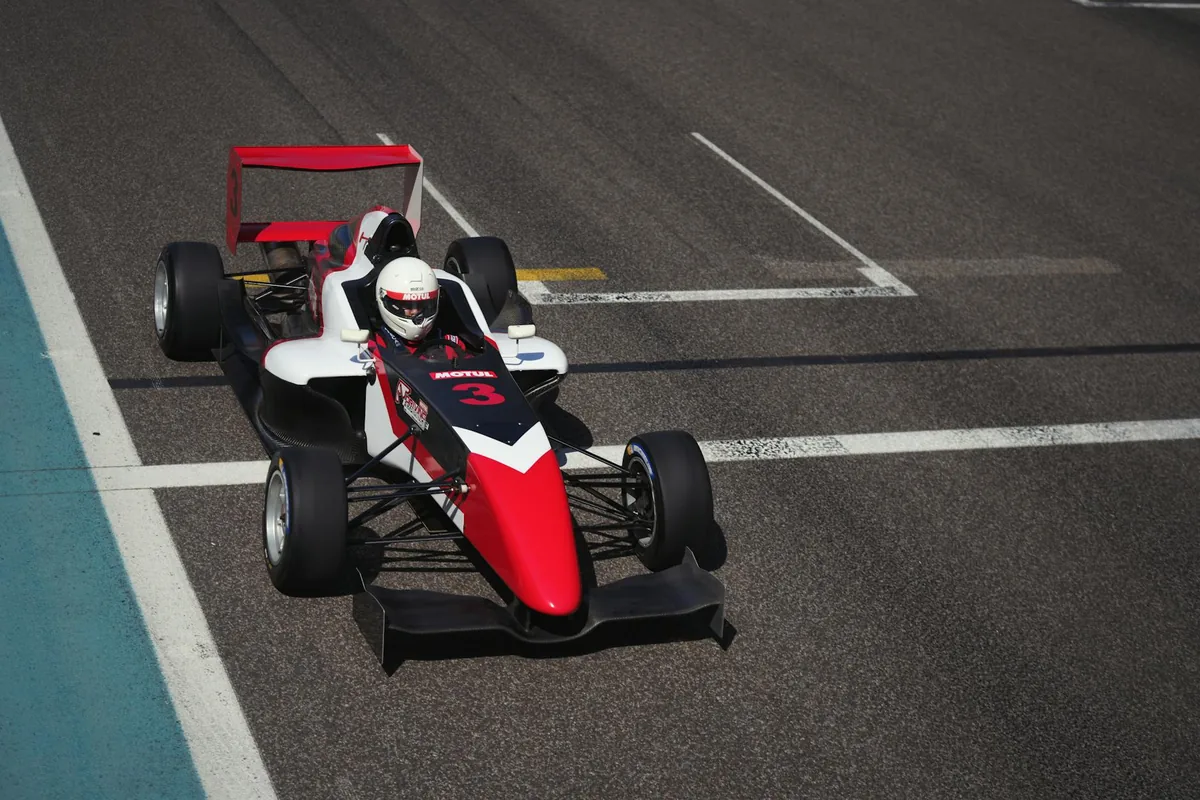
Fuel Management Strategies: Hybrid Era Expertise
Fuel management is a critical, yet often unseen, discipline in modern Formula 1. Since the introduction of the complex 1.6-liter V6 turbo-hybrid power units in 2014, the strategic conservation and deployment of fuel has become a cornerstone of race strategy, directly influencing lap times, tire wear, and final results. Mastering this delicate balance between speed and efficiency has been a key component of Lewis Hamilton's success throughout the Mercedes dominance era. This expertise transforms a fast car into a winning machine, turning raw power into strategic advantage over a Grand Prix distance.
The Technical Foundation of Fuel Saving
Under current FIA regulations, cars are limited to a maximum fuel load of 110 kilograms for the race and a maximum fuel flow rate of 100 kg/hour. This creates a complex equation for engineers and drivers: they must complete the race distance as quickly as possible without exceeding these limits. The hybrid systems—comprising the MGU-K (Motor Generator Unit-Kinetic) and MGU-H (Motor Generator Unit-Heat)—are integral to this puzzle. Efficient harvesting and deployment of electrical energy can significantly reduce fuel consumption. A driver’s ability to manage these systems in tandem with fuel flow is what separates good performances from great ones. For a deeper look at the technical evolution that defined this era, explore our analysis of the Mercedes technical evolution from 2013 to 2021.
Lift-and-Coast: The Art of Anticipation
The most visible fuel-saving technique is "lift-and-coast." This involves the driver lifting off the throttle and coasting into a braking zone earlier than the absolute limit, reducing fuel flow for a longer period before braking. While it sacrifices minimal time per corner—often mere hundredths of a second—the cumulative effect over a lap and a race is substantial. Hamilton’s mastery lies in his precision; he integrates this conservation so seamlessly into his driving rhythm that the lap time loss is minimized. This subtlety is a hallmark of his race strategy mastery, allowing him to maintain pressure on rivals while managing his car's resources.
Energy Recovery System (ERS) Optimization
Effective fuel management is inseparable from optimal ERS usage. The MGU-H recovers energy from the turbocharger's waste heat, while the MGU-K harvests energy under braking. A driver must strategically decide when to deploy this stored energy for overtaking or defending, and when to harvest it to recharge the battery. Deploying energy on straights can save fuel by reducing the internal combustion engine's load. Hamilton’s intuitive feel for this balance, developed over years with Mercedes, allows him to extract maximum performance while staying within fuel targets. This technical synergy was a defining feature of cars like the dominant Mercedes W11.
Strategic Implications on Race Day
Fuel strategy is not static; it is a dynamic element woven into every phase of a Grand Prix. The Mercedes strategy team works in constant dialogue with Hamilton, adjusting targets based on race circumstances.
Managing Race Phases
A typical race is divided into fuel management phases. Early laps often require aggressive fuel use to gain position or build a gap. The middle stint may focus on conservation to ensure sufficient fuel for a late-race push or to cover an undercut from a rival. The final stages can see "fuel-rich" driving if savings have been banked. Hamilton’s ability to switch between these modes on command, while maintaining consistent lap times, is a testament to his discipline and focus. This phased approach was crucial in tense championships, such as the 2018 championship where he responded to Ferrari pressure.
Adapting to Unforeseen Events
Safety cars, virtual safety cars, and red flags dramatically alter the fuel calculation. A prolonged safety car period can create a significant fuel surplus, enabling flat-out racing to the finish. Conversely, an early safety car can disrupt a lean fuel plan. Hamilton’s experience allows him to instantly process these changes and adapt his driving style. His renowned wet weather mastery also intertwines with fuel management, as wet races often involve more lifting, coasting, and careful throttle application, naturally aiding conservation.
The Driver's Role: A Symphony of Control
Ultimately, the most advanced fuel algorithm is useless without a driver capable of executing it with millimeter precision. Hamilton’s role extends far beyond simply following a number on his steering wheel display.
- Throttle Application: His exceptionally smooth inputs prevent wasteful fuel spikes. You can read a detailed analysis of this in our piece on Hamilton's smooth power delivery.
- Braking Technique: Complementary to lift-and-coast, his precise braking technique ensures the car is stabilized for corner entry without requiring corrective throttle inputs that waste fuel.
- Race Craft: Strategic fuel management influences overtaking. Knowing he has a fuel surplus allows for more aggressive deployment to execute a pass, while a deficit may necessitate a more patient, strategic approach.
This holistic control was particularly evident during his intense rivalry with Nico Rosberg, where every kilogram of fuel mattered. The 2016 championship battle with Nico Rosberg was a masterclass in intra-team strategic warfare, where fuel and tire management were constant battlegrounds.
Evolution and Legacy in the Hybrid Era
Hamilton’s proficiency in this area evolved alongside the hybrid regulations. Early in the 2014 season, fuel management was a steep learning curve, but it quickly became a weapon. By the time of his later titles, such as his record-breaking seventh championship in 2020, it was second nature. This expertise contributed to his remarkable consistency in points finishes, as managing the car's resources reliably often meant avoiding the DNFs that can come from pushing components beyond their limits.
As Formula 1 continues to prioritize efficiency, the principles honed in the hybrid era remain relevant. For authoritative technical details on current F1 power unit regulations and fuel constraints, the FIA's official sporting regulations provide the definitive framework. Furthermore, the engineering principles behind thermal efficiency in hybrid powertrains are well-explained by resources like the SAE International, which publishes detailed technical papers on automotive engineering.
In conclusion, fuel management in the hybrid era is a sophisticated dance between man, machine, and strategy. Lewis Hamilton’s mastery of this discipline, developed over a decade of dominance with Mercedes, underscores that modern F1 greatness is not merely about speed, but about the intelligent and efficient application of that speed over the grueling test of a Grand Prix. It is a silent skill that speaks volumes in the championship standings.