Hamilton vs Rosberg: The Ultimate Teammate Rivalry
The rivalry between Lewis Hamilton and Nico Rosberg stands as one of the most intense, personal, and consequential in Formula 1 history. As teammates at Mercedes from 2013 to 2016, their battle evolved from a rekindled childhood friendship into a fierce war for supremacy that defined the early hybrid era. This clash of titans within the same garage pushed both drivers to their absolute limits, fractured their personal relationship, and produced championship drama that remains unforgettable. For an in-depth look at their final, decisive season, read our analysis of the 2016 Championship: The Intense Battle with Nico Rosberg.
From Karting Friends to F1 Rivals
The roots of the Hamilton-Rosberg rivalry stretch back to their teenage years in European karting. They were friends and competitors, with Hamilton often having the upper hand. Their paths diverged as they climbed the single-seater ladder, with Hamilton famously joining McLaren and winning the 2008 world title in his second season, while Rosberg took a longer route through Williams. When Rosberg joined Mercedes in 2010 and Hamilton made the shocking move from McLaren in 2013, the stage was set for a reunion under vastly different circumstances. They were no longer aspiring kids; they were established stars leading a works team with championship-winning potential.
The Calm Before the Storm (2013)
Hamilton's first year alongside Rosberg at Mercedes in 2013 was a season of integration and building. While the car was fast, particularly in qualifying, it lacked the race pace and reliability to challenge for the title. Rosberg won two races (Monaco and Britain) to Hamilton's one (Hungary), finishing ahead in the championship. The dynamic was competitive but largely respectful, as the team focused on developing the powerhouse that would dominate the following era. You can explore Hamilton's adaptation in his first season with Mercedes.
The Hybrid Era Ignites the Fire (2014-2016)
With the introduction of the turbo-hybrid V6 regulations in 2014, Mercedes unleashed an unprecedented technological advantage. The Silver Arrows were in a league of their own, turning the championship into a two-man duel. This absolute intra-team competition, with no external threats, intensified the rivalry to breaking point.
2014: Psychological Warfare Begins
Hamilton ultimately triumphed in 2014, but the season was marked by pivotal moments that soured the relationship. The infamous Monaco Grand Prix qualifying incident, where Rosberg allegedly aborted his final lap, denying Hamilton a shot at pole, was a major flashpoint. Hamilton viewed it as deliberate gamesmanship. While Hamilton secured the title in the Abu Dhabi finale, the trust between the two was severely damaged. This season marked Hamilton's dominant return to the top.
2015: Hamilton's Commanding Response
Hamilton responded with one of his most dominant seasons in 2015. He won the title with three races to spare, using a string of early-season victories to establish a psychological and points cushion that Rosberg could never overcome. Rosberg won the final three races, perhaps as a morale booster for the coming year, but the season firmly re-established Hamilton as the team's benchmark. This period represented the peak of Mercedes' unstoppable dominance.
2016: The Ultimate Sacrifice and Rosberg's Triumph
The 2016 season was the apex of their conflict. Rosberg started with four consecutive wins, building a significant championship lead. Hamilton fought back relentlessly, but mechanical reliability issues—particularly in Malaysia where a engine failure while leading cost him certain victory—proved decisive. The rivalry reached its zenith with their first-lap collision in Spain, which took both cars out. Rosberg, adopting a consistent, points-focused approach, held his nerve. He secured the title by five points in Abu Dhabi, with Hamilton famously backing him into the chasing pack in a futile tactical attempt. The mental toll was immense; within days, Rosberg announced his shock retirement from the sport, having achieved his lifelong goal. The dynamics of this fierce contest are further explored in our piece on Hamilton vs Rosberg: Teammate Dynamics and Championship Battles.
Analyzing the Contrast: Driving Style and Mentality
The intensity of their rivalry was fueled by profound differences in style and approach.
- Hamilton: The Instinctual Artist – Hamilton's driving is often described as visceral and adaptive. He excels in changing conditions, possesses remarkable race pace, and relies on feel. His mentality was one of total, relentless warfare, both on and off the track.
- Rosberg: The Analytical Perfectionist – Rosberg's approach was meticulous and data-driven. He optimized every detail, from simulator work to fitness and strategy. To beat Hamilton, he dedicated himself to a comprehensive program of self-improvement, a story he later shared in detail. According to an in-depth feature by BBC Sport, Rosberg described the extreme psychological effort required to overcome his teammate.
This clash of philosophies—natural talent versus engineered perfection—created a fascinating and combustible dynamic.
Team Dynamics and Legacy
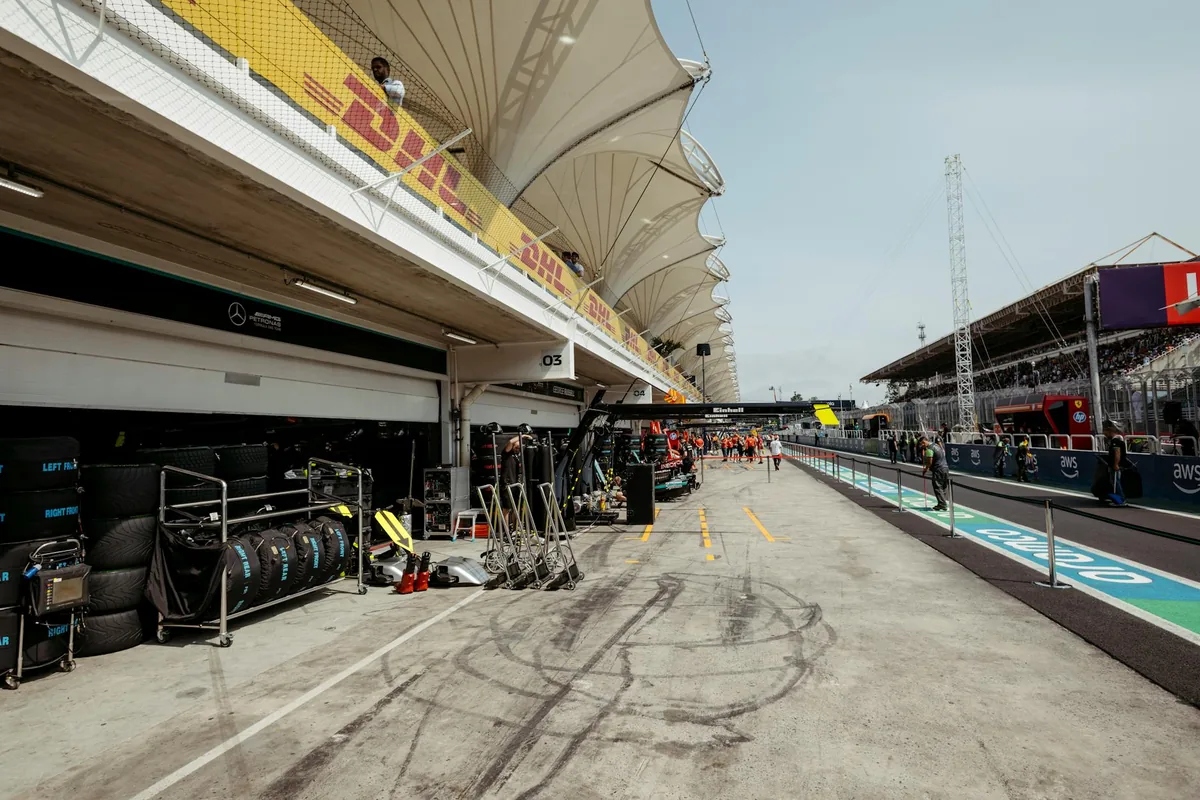
The rivalry placed the Mercedes team in an incredibly difficult position. Managing two alpha drivers fighting for the crown required a delicate balance of fairness and strategy. Tensions in the garage were often palpable, with each driver's side of the garage operating like a separate unit. The rivalry forced the team to implement stricter rules of engagement to prevent on-track incidents.
Ultimately, the Hamilton-Rosberg era cemented Mercedes' dominance at the start of the hybrid regulations. It also demonstrated the extreme psychological demands of a top-level intra-team fight. Their battle set a benchmark for teammate rivalry in the modern era, a benchmark that later seasons, such as Hamilton's intense battle with Sebastian Vettel's Ferrari, would reference in terms of pressure and intensity.
Conclusion: A Defining Chapter
The Hamilton vs Rosberg saga is more than a story of two drivers competing for wins; it is a study in psychology, sacrifice, and the price of greatness. It destroyed a friendship but produced three years of breathtaking sporting theater. For Hamilton, it forged a resilience that would underpin his continued success in the following years, including his record-equaling campaigns. For Rosberg, it represented a mountain climbed, after which he chose to walk away. Their rivalry remains the definitive example of how competition at the very sharpest edge of Formula 1 can consume everything in its path. For a statistical look at how Hamilton compares to other greats, see our Hamilton vs Schumacher: Statistical Comparison of Legends. The official Formula 1 archive also provides great retrospectives on this iconic duel.