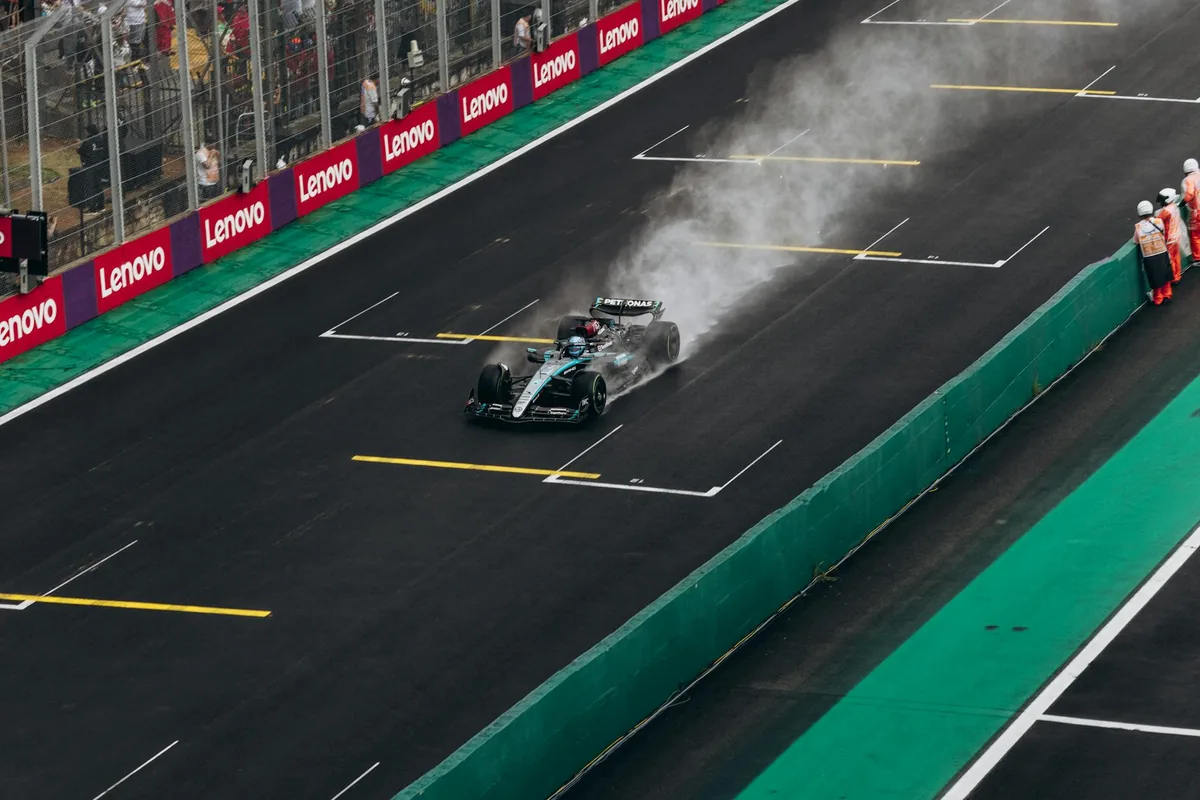
Legends Compared: Lewis Hamilton vs. Michael Schumacher – The Ultimate Debate
The debate over the greatest Formula 1 driver of all time often narrows to two titans: Lewis Hamilton and Michael Schumacher. Both have seven world championships, a record they share, and have redefined dominance in their respective eras. Comparing them is more than a tally of statistics; it's an exploration of contrasting styles, different challenges, and unique legacies that have shaped the sport. This analysis delves into their careers, achievements, and impact to understand the nuances of their greatness.
Career Trajectories and Defining Eras
Michael Schumacher's career is often split into two distinct phases: his dominant reign with Ferrari in the early 2000s and his earlier success with Benetton. He was the architect of Ferrari's resurrection, bringing a relentless work ethic, technical feedback, and a will to win that transformed the team into a dynasty. His era was characterized by physical toughness, relentless testing, and a strategic mastery that often left rivals in his wake.
In contrast, Lewis Hamilton's journey has been one of sustained excellence across different regulatory eras. From his sensational debut in 2007 with McLaren to his historic move to Mercedes, Hamilton has adapted and thrived. His move to Mercedes in 2013 was a masterstroke, preceding the team's era of hybrid-engine dominance. While Schumacher built a team around him, Hamilton mastered a pre-existing machine and then helped evolve it, showcasing a different kind of leadership. For more on his beginnings, explore From Karting to F1: Lewis Hamilton's Early Career Journey.
Statistical Supremacy: A Numbers Game
On pure numbers, Hamilton holds the edge in most major categories. He has the most race wins, pole positions, and podium finishes in F1 history. Schumacher, however, held these records for over a decade and still retains the record for most fastest laps. Their championship tallies are locked at seven apiece, a symbolic parity that fuels the debate.
- Race Wins: Hamilton surpassed Schumacher's 91 wins and now stands as the record holder for most F1 race wins.
- Pole Positions: Hamilton's qualifying prowess is legendary, making him the undisputed king of qualifying.
- Championships: Both drivers have seven world titles, a monumental achievement.
Schumacher's statistics were accumulated over 19 seasons, while Hamilton has achieved his in a similar timeframe, highlighting an incredible longevity and consistency from both. For a full breakdown, see By the Numbers: A Summary of Lewis Hamilton's Career Statistics.
Driving Style and Racecraft
Their on-track approaches were distinct. Schumacher was known for his aggressive, sometimes controversial, defensive driving and an unparalleled ability to extract qualifying laps. His race pace was metronomic, often managing races from the front with crushing control. Hamilton's style is a blend of raw, natural speed—particularly in wet conditions—and a more adaptable, wheel-to-wheel racing approach. His comeback drives, like the stunning 2018 German GP victory from 14th, showcase a different kind of strategic brilliance.
Schumacher's era involved more direct, mechanical car control, while Hamilton's peak has coincided with the complex hybrid era, requiring management of intricate engine modes and electrical energy. Both, however, shared an uncanny ability to perform under extreme pressure, as Hamilton demonstrated in the high-stakes 2021 Saudi Arabian GP.
Legacy and Impact Beyond the Track
Michael Schumacher's legacy is deeply rooted within Formula 1. He raised the bar for physical fitness, technical involvement, and team building. He made Ferrari the most successful team in the modern era and inspired a generation of German drivers.
Lewis Hamilton's impact transcends the sport. As the first Black F1 world champion, he has broken barriers and used his platform to advocate for diversity, sustainability, and social justice. His activism and social justice work and environmental advocacy have made him a global icon beyond the racetrack. In this regard, Hamilton's cultural footprint is arguably broader, pushing F1 to confront its own inclusivity and role in the world.
The Verdict: Context is King
Declaring one "greater" than the other is inherently subjective and depends on the criteria. Was Schumacher's challenge in building the Ferrari dynasty greater than Hamilton's challenge of maintaining Mercedes' dominance against fierce rivals like Sebastian Vettel and Max Verstappen? Hamilton faced arguably more intense, season-long competition for his titles, such as the epic 2021 duel with Verstappen and his battles with teammate Nico Rosberg.
Schumacher competed in an era with less reliability, where mechanical failures were more common, adding an element of fortune his rival has also faced. Both drivers benefited from having the best car for large portions of their careers, a prerequisite for any multiple champion in F1 history.
Ultimately, they represent two peaks of Formula 1 excellence in different times. Schumacher was the ultimate team-driven competitor who defined an era. Hamilton is the record-shattering global superstar who combined on-track genius with off-track influence. Perhaps the fairest conclusion is that the sport has been blessed to witness two such phenomenal talents. The debate itself is a tribute to their extraordinary achievements. For further exploration of Hamilton's place in history, read Legacy of a Legend: Is Lewis Hamilton the Greatest F1 Driver of All Time?.
To understand the records and careers of F1's legends in more depth, authoritative resources like the official Formula 1 website and the StatsF1 database provide comprehensive historical data and context.