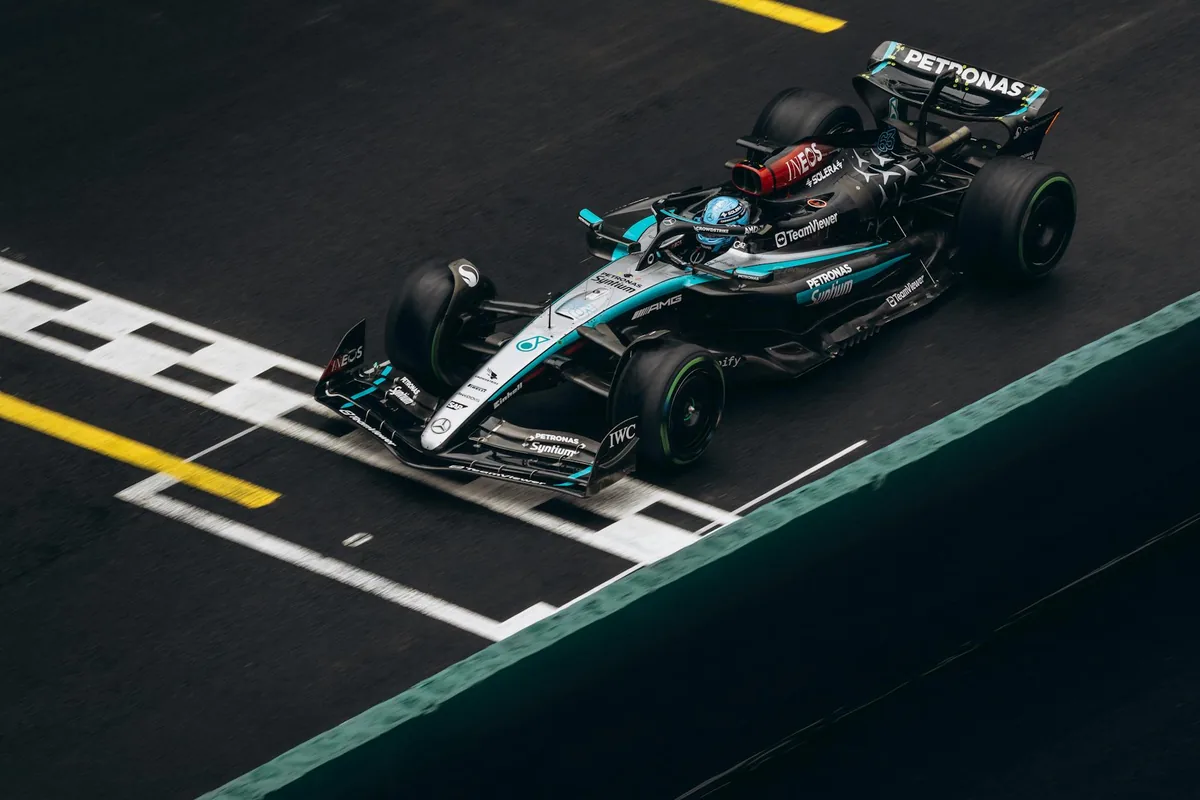
Intra-Team Conflict: The Lewis Hamilton vs. Nico Rosberg War at Mercedes
The rivalry between Lewis Hamilton and Nico Rosberg is one of the most intense, personal, and consequential in Formula 1 history. What began as a childhood friendship forged in karting evolved into a bitter, all-consuming battle for supremacy within the dominant Mercedes team of the hybrid turbo era. From 2014 to 2016, their conflict defined the sport, pushing both drivers and the team to its absolute limits and providing a masterclass in the psychological warfare of elite competition.
From Childhood Friends to Formula 1 Rivals
The roots of the Hamilton-Rosberg story stretch back to their teenage years in European karting. They were friends and competitors, with Hamilton often getting the upper hand. Their paths diverged as Hamilton rocketed to F1 stardom with McLaren, winning his first world title in 2008. Rosberg took a more measured route, establishing himself at Williams before making a strategic move to Mercedes in 2010. The stage was set for a reunion when Hamilton, seeking a new challenge after the McLaren era, shocked the paddock by joining Rosberg at the Silver Arrows in 2013. Initially, the atmosphere was collegial, but the arrival of new, powerful hybrid engines in 2014 transformed Mercedes into an unstoppable force—and turned teammates into arch-rivals.
The Flashpoints of a Fierce Rivalry (2014-2016)
The Mercedes W05 Hybrid was in a league of its own, making the championship a straight fight between its two drivers. The rivalry escalated through a series of dramatic on-track incidents and off-track mind games.
- 2014 Bahrain: In a seminal moment, the two engaged in a breathtaking wheel-to-wheel duel after a safety car, trading the lead multiple times with team orders ringing in their ears. This epic 2014 Bahrain GP battle was fierce but clean, a high-speed chess match that set the competitive tone.
- 2014 Monaco Qualifying: Rosberg's controversial off-track excursion at Mirabeau, which brought out yellow flags and halted Hamilton's final flying lap, secured pole for the German. Hamilton was visibly furious, believing the move was deliberate—a fracture in trust that never fully healed.
- 2014 Belgian GP: The conflict turned openly hostile at Spa. Rosberg, attempting a pass on Hamilton at Les Combes, made contact with his teammate's rear tire, puncturing it and effectively ending Hamilton's race. Rosberg was later admonished by the team for admitting he could have avoided the collision but didn't, "to prove a point."
- 2016 Spanish GP: The low point. On lap one, Rosberg, leading, made an error in engine mode selection. Hamilton seized the opportunity to attack, but Rosberg aggressively defended, pushing both cars onto the grass. They collided and crashed out, gifting Max Verstappen his first win. The team was livid. 2016 Austrian GP: On the final lap, Hamilton dove down the inside of Rosberg for the lead. Contact was made, damaging Rosberg's car. Hamilton won, while a furious Rosberg was penalized and finished fourth. The podium ceremony was icy, with Hamilton throwing a second-place cap at his teammate.
The Psychological Warfare and Championship Outcomes
Beyond the crashes, the battle was fought in the media and the mind. Hamilton used his superior qualifying pace and race-day aggression to exert pressure. Rosberg, a master of meticulous preparation and consistency, employed strategic mind games, often highlighting Hamilton's lifestyle or errors. The Mercedes garage became a tense environment, with the team constantly managing the fallout. Hamilton's mental resilience, forged in his sensational rookie season battling Fernando Alonso, was tested like never before.
Hamilton won the drivers' titles in 2014 and 2015, but Rosberg's relentless focus in 2016 paid off. Despite Hamilton's late-season charge, which included a defiant, race-leading drive at the 2016 Abu Dhabi GP where he ignored team orders to back Rosberg into rivals, Rosberg's consistency secured the championship by five points. In a stunning move, Rosberg retired from the sport days later, achieving his lifelong goal and walking away at the peak.
Legacy of the Hamilton-Rosberg Era
The Hamilton-Rosberg war left an indelible mark on Formula 1. It demonstrated the extreme pressures of intra-team rivalry in a dominant car and reshaped how teams manage driver relationships. For Mercedes, it was a period of unparalleled success—securing Constructors' Championships with ease—but also immense internal strain.
For Lewis Hamilton, this conflict was a crucible that hardened his championship mentality. The lessons learned in managing this intense pressure undoubtedly contributed to his sustained excellence during the Mercedes dominance from 2014-2020. It also set the stage for future battles, most notably the epic 2021 title fight with Max Verstappen.
Today, the relationship has thawed, with both drivers expressing mutual respect in retrospect. The rivalry is now viewed as a key chapter in the history of the sport—a relentless, three-year drama that showcased two elite drivers operating at the very edge of performance and psychology. As detailed in analyses by authoritative sources like Formula1.com and BBC Sport's F1 coverage, it remains the definitive example of how a teammate battle can become the central narrative of an era. It is a stark contrast to other rivalries, such as his earlier conflict with Fernando Alonso, and a testament to the unique pressures of competing in identical machinery.
Ultimately, the Hamilton-Rosberg saga is a pivotal part of understanding Lewis Hamilton's legacy. It was a period where his speed, racecraft, and psychological fortitude were scrutinized and challenged more than ever, cementing his status as one of the sport's most formidable and resilient competitors.