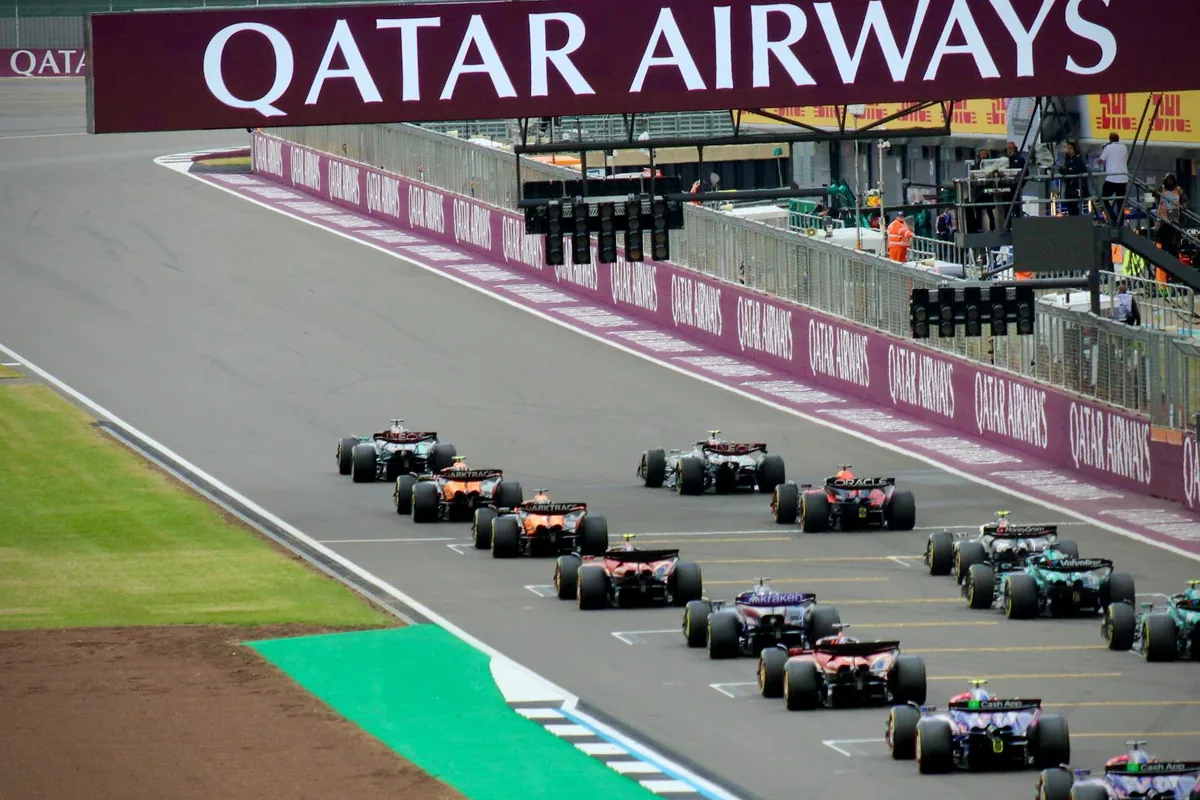
Mercedes W11: The Pinnacle of Formula 1 Dominance
The Mercedes W11 EQ Performance is not just another championship-winning car; it is arguably the single most dominant machine in the history of Formula 1. Piloted by Lewis Hamilton to his record-equaling seventh world title in 2020, the W11 represented the zenith of a regulatory era and a perfect storm of engineering brilliance, driver skill, and operational excellence. Its performance was so overwhelming that it redefined the parameters of success, leaving rivals in a different time zone and etching its name into F1 folklore.
Technical Innovation: The DNA of Dominance
The W11 was the final evolution of the hybrid-era formula that began in 2014, and Mercedes poured every ounce of knowledge into its creation. While retaining the core aerodynamic philosophy of its successful predecessor, the W10, the team made several critical innovations that unlocked unprecedented performance.
DAS: The Revolutionary Steering System
The most talked-about innovation was the Dual-Axis Steering (DAS) system. Operated by the driver pulling and pushing the steering wheel, DAS altered the toe angle of the front wheels. On straights, it could reduce toe-in for lower drag and tire wear, while in corners, a traditional toe-in setting provided optimal mechanical grip. This system, which Hamilton and teammate Valtteri Bottas mastered, gave Mercedes a significant strategic advantage in tire management and straight-line speed, showcasing the team's relentless pursuit of marginal gains. Its ingenuity was such that rivals immediately protested, and it was banned for the 2021 season.
Aerodynamic and Power Unit Supremacy
Beneath its striking black livery, the W11 housed a meticulously refined aerodynamics package. The team exploited the front-end regulations with a complex arrangement of vanes and turning vanes to manage airflow with exceptional efficiency. More critically, the Mercedes power unit, the PU106, remained the class of the field. Its combination of sheer horsepower, energy recovery deployment, and drivability was unmatched, giving the W11 a devastating advantage on power-sensitive circuits. This technical foundation was the culmination of years of development, a journey that began with Hamilton's dominant return to the top in 2014.
Performance Statistics: A Season of Records
The numbers behind the W11's 2020 campaign tell a story of near-total supremacy. Competing in a 17-race season condensed by the COVID-19 pandemic, the car's record is staggering:
- 13 Wins: Mercedes secured 13 victories from 17 races, with Hamilton taking 11.
- 15 Pole Positions: The car started from pole in all but two Grands Prix.
- 9 Front-Row Lockouts: Demonstrating a clear pace advantage over the entire grid.
- 573 Constructors' Points: A new record for a single season, 254 points clear of Red Bull in second.
- Fastest Lap in 9 Races: Highlighting its superior race pace and tire management.
This dominance was a key factor in Hamilton securing his record-breaking seventh world championship, a campaign that included masterclasses like his title-clinching drive at the 2020 Turkish Grand Prix. The W11's performance was a testament to Hamilton's role in its development, building on the technical evolution from 2013 to 2021.
Driver and Car: The Perfect Symbiosis
A dominant car is nothing without a driver capable of extracting its full potential. Lewis Hamilton's synergy with the W11 was extraordinary. His ability to manage the complex DAS system, conserve tires over long stints, and deliver qualifying laps that often secured pole by substantial margins was a hallmark of the season. Hamilton's feedback and relentless drive for perfection were integral to the car's development and race setup, a partnership honed over years of success. This driver-car harmony was the final piece of the puzzle, turning a technically brilliant machine into an unbeatable force. It was a level of performance that built upon his previous successes, including the strategic masterclass of 2019.
Legacy and Impact on Formula 1
The legacy of the Mercedes W11 is multifaceted. It stands as the final and most potent expression of the 2014-2021 technical regulations, a car so dominant it arguably accelerated the push for the sweeping 2022 rule changes designed to close the field. Its success forced a philosophical question within the sport: how to balance engineering excellence with competitive racing.
For Mercedes and Hamilton, the W11 was the crowning achievement of their historic partnership. It provided the platform for Hamilton to equal Michael Schumacher's seven titles and further cement his own legacy. The car's dominance also set a daunting benchmark for the following years, as seen in the team's subsequent challenges adapting to new rules in the 2022 season and during their development year in 2023.
Ultimately, the W11's place in history is secure. It is a benchmark for technical innovation, operational execution, and sporting dominance. While future cars may win more races, the sheer comprehensiveness of the W11's superiority—a perfect alignment of rules, resources, and talent—makes it a strong contender for the title of the most dominant Formula 1 car ever built. Its story is a definitive chapter in the Mercedes era from 2013-2024, a period of unprecedented success in the sport's history.
For detailed technical insights into the car's innovations, authoritative sources like the official Formula 1 website and analysis from Autosport provide extensive archives and expert commentary.