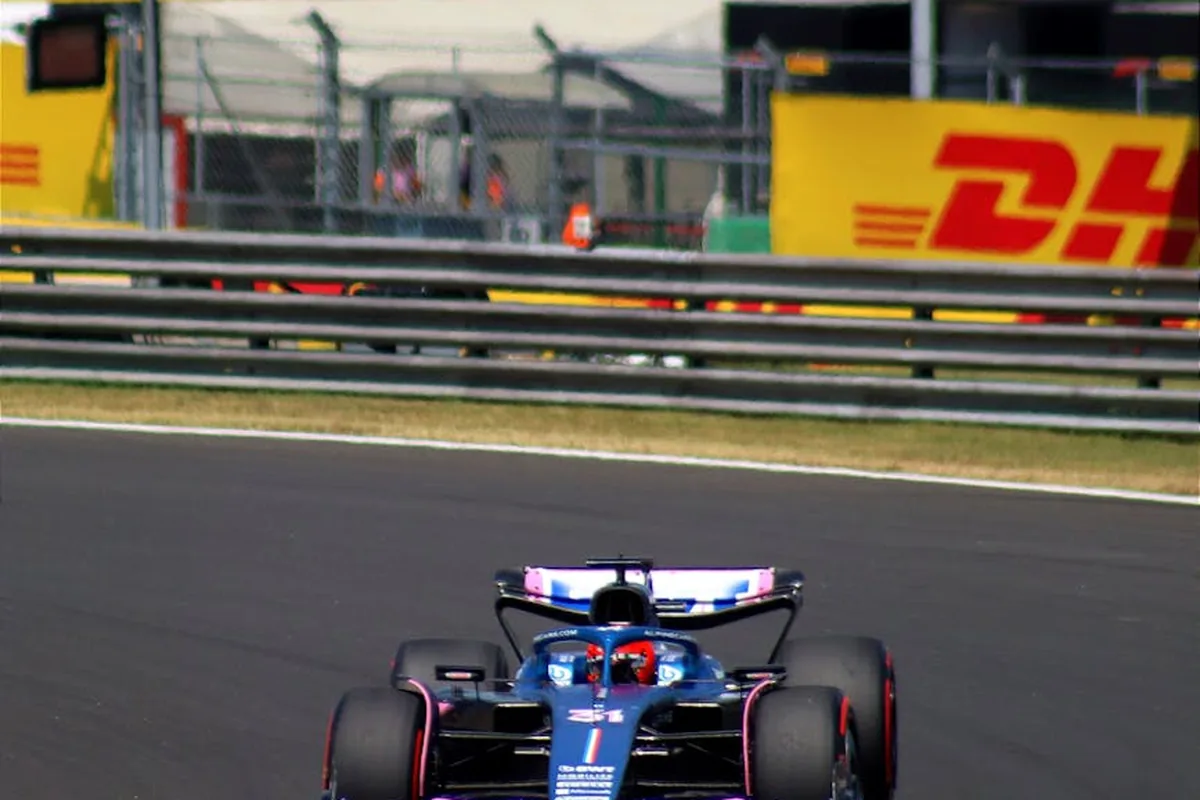
Points Finishes: The Foundation of Hamilton's Championship Legacy
In Formula 1, where mechanical failures and first-corner chaos can end a race in seconds, consistency is the ultimate currency. For Lewis Hamilton, his staggering record of consecutive points finishes stands not as a flashy statistic, but as the bedrock upon which his seven world championships were built. This remarkable streak, a testament to his skill, racecraft, and the reliability of his machinery, underscores a career defined by relentless performance. While race wins and pole positions capture headlines, the ability to consistently finish in the points—race after race, season after season—is what accumulates championships.
Defining the Streak: A Record of Unmatched Reliability
Lewis Hamilton's most famous points-finishing streak ran from the 2018 British Grand Prix to the 2020 Bahrain Grand Prix, encompassing an incredible 48 consecutive races in the points. This record shattered the previous mark and highlighted an era of supreme consistency. To appreciate this feat, one must understand the variables at play: the physical demands on the car over a race distance, the strategic pitfalls, the potential for contact with other drivers, and the sheer unpredictability of motorsport. Achieving this requires a symbiotic relationship between driver precision and engineering excellence.
This period coincided with some of Hamilton's most dominant campaigns, including his record-equaling seventh title in 2020. The streak wasn't merely about finishing; it was about consistently finishing at the front. During this run, he secured 31 podiums and 16 victories, demonstrating that his consistency was of the highest competitive order. It was a key factor in Mercedes' constructors' championships and his own drivers' titles during those years.
The Anatomy of Consistency: Skill, Strategy, and Machinery
Hamilton's points-finishing prowess can be deconstructed into several critical components that go beyond simply having a fast car.
Racecraft and Risk Management
A key element is Hamilton's intelligent racecraft. He possesses an exceptional ability to manage risk, particularly in the opening laps and during mid-race battles. His overtaking analysis shows a driver who picks his moments with surgical precision, minimizing the chance of race-ending contact. This calculated aggression ensures he progresses through the field when needed without jeopardizing the finish.
Technical Feedback and Car Preservation
Hamilton's role extends beyond driving; his technical feedback is legendary. This symbiotic relationship with his engineers allows for setup optimizations that enhance race longevity. Furthermore, his mastery of tire management is a cornerstone of his consistency. By expertly preserving tire life, he maintains competitive pace throughout a stint, avoids unexpected drop-offs, and provides his strategy team with maximum flexibility.
Mechanical Reliability and Team Execution
The driver is only one part of the equation. The legendary reliability of the Mercedes power unit and chassis during the hybrid era, particularly in cars like the dominant W11, provided the platform for such streaks. Combined with the flawless execution of the Mercedes pit crew and strategic calls, the margin for error expanded, allowing Hamilton's skill to shine through over full race distances.
Streaks in Context: Comparing Eras and Challenges
Hamilton's record becomes even more impressive when viewed against the backdrop of his entire career. His consistency was not solely a product of Mercedes' dominance. During his McLaren years, he regularly delivered points finishes in less reliable machinery, battling through adversity. For instance, his 2010 season was a model of consistency, challenging for the title right until the end, as detailed in our analysis of his 2010 McLaren challenge.
Comparing his streak to other legends also provides context. While Michael Schumacher had seasons of incredible dominance, the points systems and reliability of cars have evolved. Hamilton's 48-race streak in the modern era, with tighter midfield competition and complex hybrid power units, represents a unique achievement. According to the official Formula 1 statistics, this record highlights a period of unprecedented finishing reliability at the front of the grid.
The Strategic Impact on Championships
This relentless accumulation of points had a demoralizing effect on rivals and a mathematically decisive impact on championship battles. In seasons where Ferrari posed a strong threat, such as 2017 and 2018, Hamilton's ability to consistently convert difficult weekends into podium finishes or top-five results was the difference. While competitors might have won races, Hamilton would inevitably finish second or third, steadily building a points cushion that proved insurmountable.
This was perhaps most evident in his intense rivalry with Nico Rosberg. Even in 2016, the season he lost the title to his teammate, Hamilton's race-by-race consistency was formidable, but it was ultimately undone by early-season reliability issues. The pattern is clear: Hamilton's championship victories, from his first in 2008 to his later triumphs, are maps of sustained points accumulation, punctuated by wins.
The End of the Streak and Modern Consistency
All streaks eventually end, and Hamilton's record run concluded at the 2020 Sakhir Grand Prix. However, his underlying consistency remains a hallmark of his driving. Even during more challenging seasons with less competitive machinery, such as the 2022 regulatory shift, his ability to drag the car into the points was evident. His return to form and podiums in 2023 further demonstrated that his race-finishing intelligence is undiminished.
As he embarks on his final Mercedes campaign and looks ahead to a new chapter, this facet of his driving will be crucial. For a deeper look at the challenges and prospects for this period, see our 2024 season preview. The pursuit of points finishes may seem less glamorous than victory, but as the career of Lewis Hamilton definitively proves, it is the relentless, week-in-week-out delivery that forges true greatness. This consistency is a key pillar in any statistical comparison of F1 legends, solidifying his place among the sport's immortals.