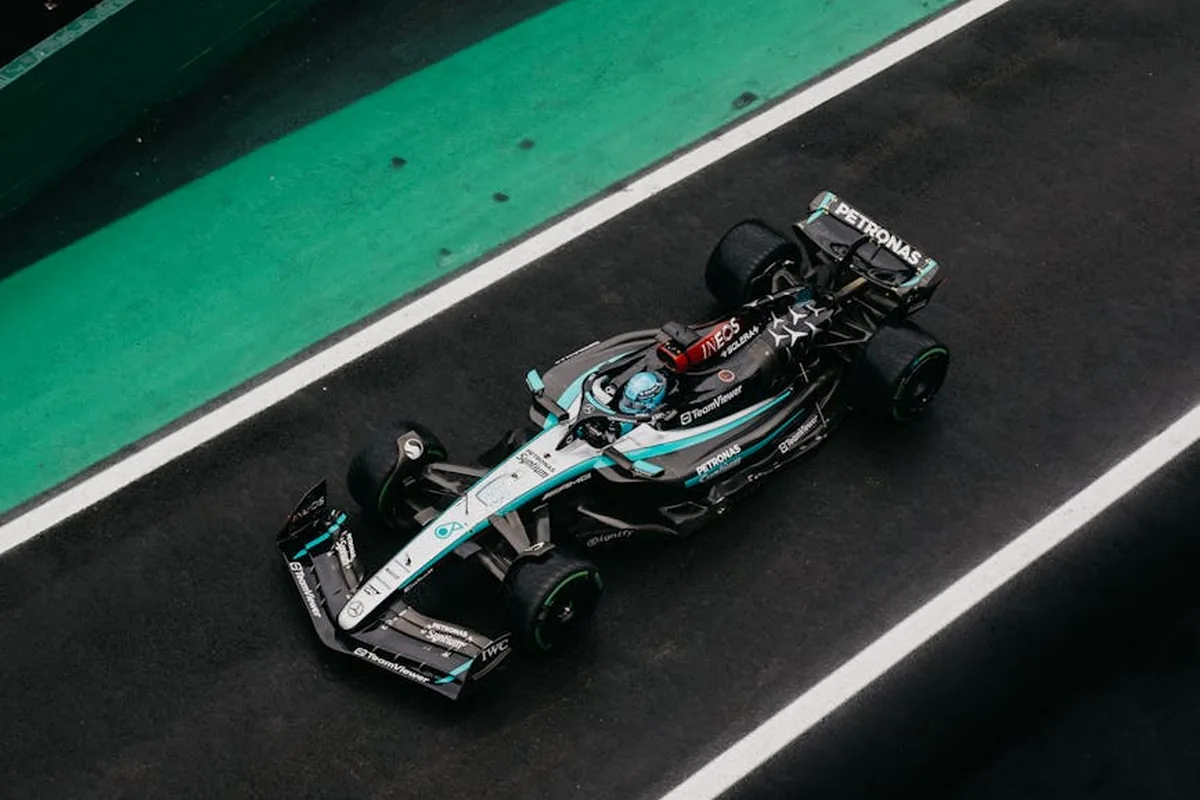
Safety Car Restarts: The Ultimate Test of a Driver's Skill
A Safety Car period in Formula 1 is a reset button. It bunches the field, erases gaps built over laps of hard racing, and creates a high-stakes lottery: the restart. For drivers, this is a moment of immense pressure and opportunity. A perfectly executed restart can defend a lead, gain crucial positions, or set up a race-winning overtake. A mistake can be equally costly. Mastering the art of the Safety Car restart requires a blend of razor-sharp reflexes, deep strategic understanding, psychological warfare, and flawless communication with the team.
The Anatomy of a Restart: Rules and Procedures
Understanding the formal procedure is the foundation of restart mastery. When race control decides to end the Safety Car period, a series of standardized events unfolds. The Safety Car peels into the pits, and the leading driver becomes the controller of the pack. According to FIA regulations, the leader must maintain a prescribed delta time until they reach the control line, at which point they can accelerate to racing speed. However, the critical phase is the approach to that line. Drivers are forbidden from weaving to warm tires or braking erratically, but they are permitted to vary their speed to "encourage" the cars behind to bunch up or create a gap. This is where the games begin.
The Leader's Dilemma: Control vs. Vulnerability
The driver in P1 faces a unique challenge. Their goal is to create the largest possible gap to the car behind before hitting the acceleration zone, maximizing their chances of a clean getaway. They will often slow the pack to a crawl in the final corners, forcing the following driver to either match the slow pace or risk being caught out. The leader must judge the perfect moment to go: too early and the pack remains tightly bunched; too late and they risk being overtaken before the start/finish line if the following car gets a better run. Lewis Hamilton has often demonstrated this control, using his experience to manipulate the restart to his advantage, a skill honed during his years of Mercedes dominance.
The Challenger's Opportunity: Reading the Play
For the drivers behind, especially P2, the restart is a prime overtaking opportunity. They must anticipate the leader's movements, maintain a close but safe distance, and be ready to pounce. The key is to stay within the leader's slipstream and time the acceleration to perfection. A common tactic is to hang back slightly in the final corner to generate a higher closing speed as the leader accelerates. This requires immense concentration and trust in one's reflexes. The intense battles between teammates, such as the Hamilton vs. Rosberg rivalry, often featured thrilling restart duels where reading the opponent's mind was as important as raw speed.
Strategic Elements and Team Coordination
Restart strategy extends far beyond the driver's actions in the cockpit. It is a coordinated effort involving the entire team. Engineers on the pit wall provide critical information about tire temperatures, gaps to cars ahead and behind, and potential threats. They will advise on engine mode selections—often switching to a more aggressive overtake or qualifying mode for the restart lap. Furthermore, the decision to pit just before or during a Safety Car period is a major strategic gamble that can define a race, putting a driver at the front of the pack on fresh tires for the restart. Mercedes' strategic prowess, detailed in our analysis of their strategy team's impact, has been central to many Hamilton victories built on perfect restart execution.
Tire Temperature Management
Perhaps the most critical technical factor during a Safety Car period is tire temperature. Cool tires offer dramatically less grip, making the first few corners after a restart exceptionally treacherous. Drivers employ various techniques to keep heat in their tires, such as:
- Lateral Sliding: Gently weaving from side to side on straights to generate friction and heat in the rubber.
- Brake Application: Lightly dragging the brakes to create heat in the discs, which transfers to the wheel rim and tire.
- Acceleration/Braking Cycles: Creating small speed differentials to load the tires.
Balancing this against the need to maintain position and not violate regulations is a delicate act. A driver with warmer tires will have a significant advantage in the first braking zone.
Psychological Warfare and Notable Examples
The mental game is paramount. The lead driver aims to be unpredictable, keeping the challenger guessing. A sudden slowdown or an early acceleration can break the rhythm of the car behind. Iconic moments in F1 history have been forged on restarts. One of the most dramatic was the conclusion of the 2021 Championship in Abu Dhabi, where a late Safety Car and controversial restart procedure directly decided the world title. Conversely, Hamilton's masterful restart in the 2020 Turkish Grand Prix on worn intermediate tires, a race we analyze in our Turkish GP masterclass breakdown, showcased his ability to manage extreme conditions and control a field on the limit.
Modern Considerations: The Virtual Safety Car (VSC)
The introduction of the Virtual Safety Car has added another layer. Under VSC, drivers must maintain a delta time and cannot overtake, eliminating the traditional "bunching" effect and the tactical restart. However, the transition back to green flag racing still requires focus, as the field resumes racing at speed from a distributed formation, often catching out drivers who are not prepared for the immediate return to full pace.
Mastering the Restart: A Hallmark of Champions
Ultimately, consistent excellence during Safety Car restarts is a hallmark of the sport's greatest drivers. It synthesizes every aspect of elite motorsport: car control, strategic intelligence, risk assessment, and mental fortitude. It turns a procedural pause into a pivotal, race-defining moment. As regulations and cars evolve, the fundamental principles of the restart remain a constant test. For a driver, it represents a fleeting chance to rewrite the order, to seize an advantage not through pure lap time, but through guile, preparation, and split-second execution. Analyzing these moments provides deep insight into a driver's complete skill set, complementing statistical analyses like their qualifying excellence or wet weather mastery.
For further official details on Safety Car and VSC procedures, you can refer to the FIA's sporting regulations. Additionally, technical analyses of tire behavior and temperature management are often explored in depth by resources like Motorsport.com's F1 technical section.